How a Pizza Restaurant Creates a Signature Dining Style
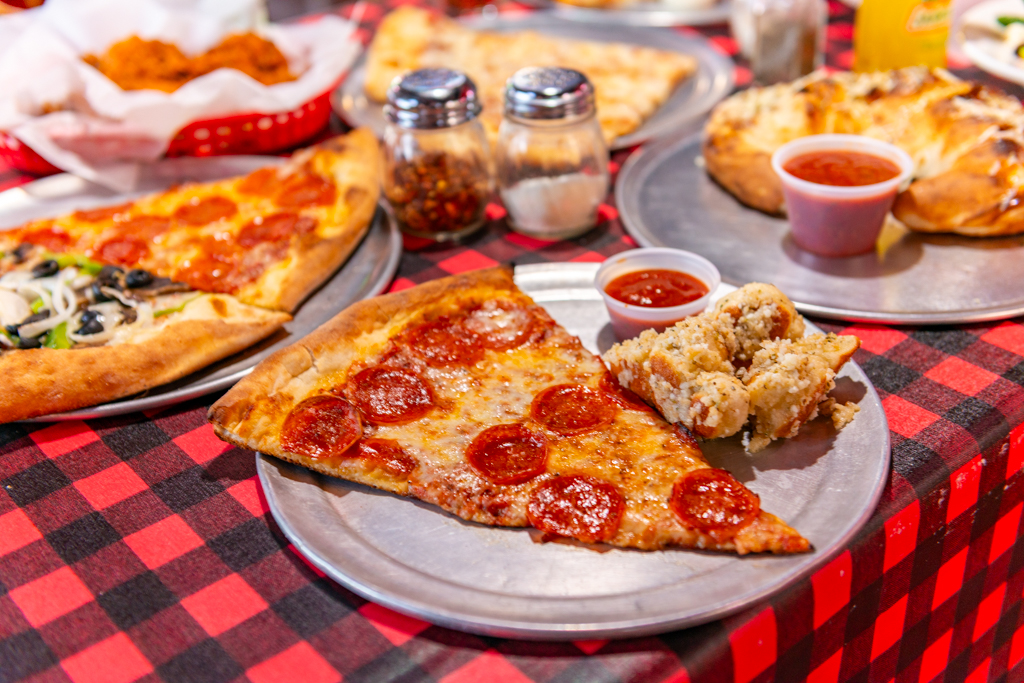
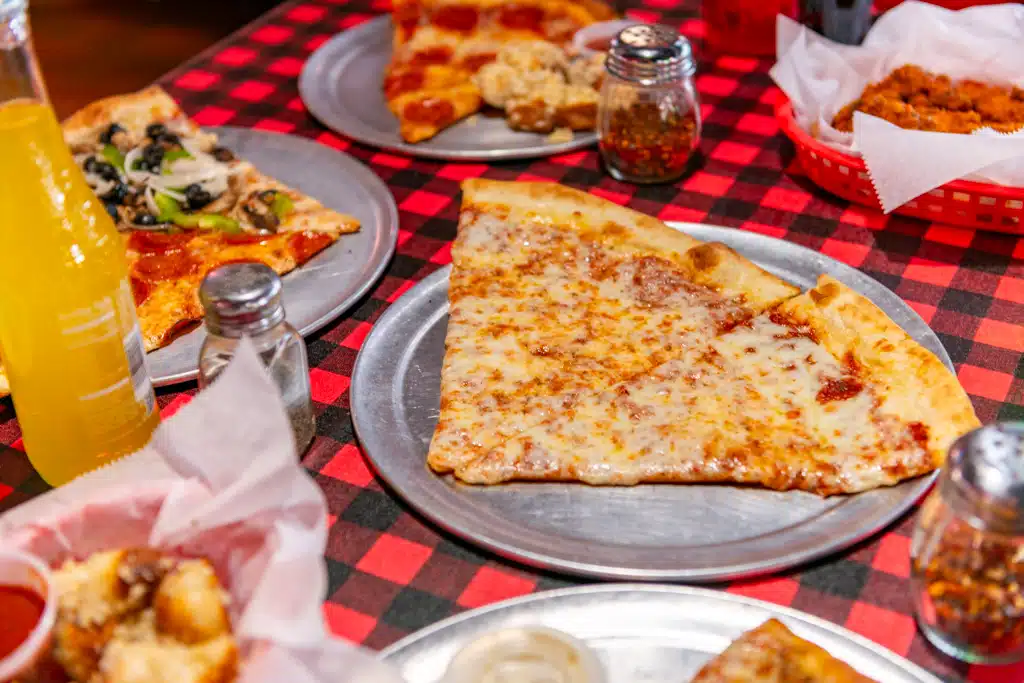

A memorable pizza restaurant does not earn loyalty on crust alone. The food matters, obviously, but guests rarely separate the plate from the room, the pace, the soundtrack, the lighting, the greeting at the door, or the way a server handles a table that wants one pie cut into squares and another held for ten minutes while a late friend parks the car. Signature dining style lives in that combination. It is the feeling people carry home and describe later, often without realizing how many details shaped it.
Operators sometimes talk about concept as if it were a slogan. In practice, concept is behavior made visible. It shows up in whether a host walks guests to the table or points across the room. It shows up in whether the kitchen sends a charred leopard-spotted pie on a metal stand with scissors, or a tavern-style pizza on a tray lined with checkered paper. It shows up in how fast the first drink hits the table and whether the dining room invites a long meal or a quick turnover.
The strongest pizza restaurant brands understand a simple truth: style cannot be pasted on at the end. It has to be built from the oven outward.
The style starts with the kind of pizza
Every dining style in a pizza restaurant begins with product reality. A New York slice shop creates different guest expectations than a Neapolitan dining room, a neighborhood sports bar, or a family-focused suburban spot with arcade games and birthday packages. Owners sometimes try to blend all of these identities because each seems commercially useful. The result can feel muddled. Guests do not mind complexity, but they do notice inconsistency.
Take dough alone. If the restaurant cold ferments dough for two or three days, bakes at very high heat, and serves pies that are best within minutes, the service model has to protect that quality. Those restaurants usually benefit from a tighter menu, faster table communication, and staff trained to stage courses carefully. If the pizza style holds well for takeout and can sit a bit longer without losing its character, the dining style can flex toward larger parties, delivery volume, and a more relaxed pacing.
This is where many operators either sharpen their identity or blur it. If the product says artisan but the room says speed and volume, guests feel the tension. If the product says casual neighborhood comfort but the menu language is overly precious, guests feel that too. Signature style happens when the pizza, service, and physical space are all telling the same story.
A good example is the difference between a coal-fired pizza restaurant and a Midwest tavern-style place. The coal-fired operation often leans into visible heat, darker finishes, compact tables, and a sense of theater around the oven. The tavern-style restaurant may emphasize familiarity, larger drink pours, local sports references, and a rhythm that welcomes repeat weekly visits. Neither is inherently better. What matters is internal alignment.
Guests read a room in seconds
Most owners underestimate how quickly customers decide what kind of place they have entered. Before a menu opens, guests have already assessed noise level, seating density, cleanliness, smell, and social cues from staff. This first read matters because it frames every later judgment.
If a room is bright, bustling, and loud, guests forgive faster pacing and shorter interactions. If the space is warm, intimate, and restrained, they expect greater attentiveness and better timing. Problems begin when the sensory message and the service message contradict each other. A candlelit room with rushed table turns creates friction. So does a casual family room with stiff, overly formal script-based service.
One of the clearest markers of style is traffic flow. Watch how guests move from entry to host stand to table to restroom and back out. If they hesitate or bump into delivery drivers, the restaurant feels less polished no matter how good the pizza is. In smaller spaces, operators often sacrifice flow because rent is expensive and every extra two-top seems valuable. But one congested aisle can do more harm to comfort and perceived quality than an extra table does good to sales.
Smell deserves more attention than it gets. A pizza restaurant should smell like dough, tomato, char, garlic, basil, maybe a trace of roasted sausage. It should not smell like burnt fryer oil, sanitizer, wet cardboard, or stale beer. Scent is part of signature style because it registers emotionally, not analytically.
Service defines whether style feels authentic
Guests notice whether service feels native to the place or copied from somewhere else. A signature dining style depends on service behaviors that fit the restaurant’s actual personality.
In many pizza restaurants, especially independent ones, the best service is direct and warm rather than elaborate. Staff who know how to read a table, explain the house pie clearly, pace appetizers without overcomplicating the meal, and recover from kitchen delays with honesty will outperform a highly scripted staff almost every time. Pizza invites comfort. Service should support that comfort without becoming careless.
Authenticity here does not mean informality at all costs. It means coherence. A refined pizza restaurant with a serious wine program can absolutely deliver polished service, but that service still needs the ease appropriate to pizza. Guests should feel guided, not managed. The moment service becomes more important than the meal, the style tilts into performance.
The strongest teams usually share a few habits:
- They explain the house pizza in plain language, including texture, bake, and expected timing.
- They set expectations early when pies fire at different speeds than pastas or salads.
- They treat modifications with judgment, protecting quality without sounding defensive.
- They recover quickly when a pie lands imperfectly, especially if the undercarriage is soft or the rim overchars.
- They close the meal as carefully as they open it, because the final five minutes often decide whether guests return.
That last point is routinely overlooked. A restaurant can stage a beautiful meal and still lose goodwill with a clumsy check drop, a missing to-go box, or a ten-minute wait at the register. Signature style includes the exit.
The menu is part food document, part design statement
A menu tells guests what the restaurant values. The number of pizzas offered, the way toppings are grouped, the place given to starters, salads, dessert, beer, and wine, even the typography, all shape dining style.
When menus become too broad, identity starts to leak. It is common to see pizza restaurants add wings, burgers, sandwiches, pastas, wraps, and desserts from a broadline catalog in the name of appeal. There are cases where that works, especially in family or sports-driven settings, but every addition has a cost. Kitchens become more complex. Ticket times widen. Staff explanations get weaker. Guests stop remembering what makes the place distinct.
A focused menu sends confidence. That does not mean tiny. It means intentional. A dozen pizzas with clear personalities can feel more substantial than thirty with repetitive topping combinations. Guests are also more likely to trust a menu when signatures stand out. If every pie is described as special, none really are.
There is also a subtle but important difference between variety and flexibility. Variety means many fixed items. Flexibility means a restaurant has a strong core and lets guests adapt within reason. The latter often supports a stronger dining style because it protects the restaurant’s point of view while still making room for preference.
Descriptions matter too. Good menu language is sensory and specific. It helps a guest picture the result. Bad menu language hides behind generic praise. Words like handcrafted, authentic, and premium mean little if they are not backed by detail. Better to say blistered crust, crushed tomato, whole-milk mozzarella, fennel sausage, hot honey. Concrete language grounds expectation.
Signature style is built in the details guests may never name
When people say a pizza restaurant has atmosphere, they are usually responding to a series of operational choices. Lighting, acoustics, plateware, glassware, tabletop spacing, music selection, oven visibility, and even the weight of a pizza cutter all contribute.
Lighting might be the most misjudged variable in the category. Too bright and a dinner crowd feels exposed. Too dim and families, older guests, and anyone trying to read a toppings list under amber bulbs get annoyed. The right level depends on the concept, but the best rooms usually layer light rather than relying on one flat source. If the pizza itself looks vivid on the table, the meal feels more appetizing before the first bite.
Sound is equally powerful. Hard surfaces are common in pizza restaurants because they are durable and easy to clean, but those same surfaces can turn a busy room into a wall of noise. A high-energy room can still be comfortable if operators absorb sound where possible through ceiling treatments, upholstery, curtains, or strategic layout. Guests will stay longer, order more drinks, and leave less fatigued.
Then there is table ergonomics. A pizza meal involves shared plates, condiments, often drinks, sometimes appetizers, and ideally enough room for hands to reach without a constant shuffle. Tiny tables can work for a slice shop. They strain under full-pie dining unless the whole service model is built for fast turnover and low dwell time.
I have seen otherwise excellent pizza restaurants undermine their own style with mismatched details. A hand-thrown pie served on flimsy plates. A serious natural wine list in plastic tumblers. Housemade chili oil in sticky bottles. None of these errors are catastrophic alone. Together, they tell guests the restaurant’s point of view is not fully formed.
Staff culture shows up at the table
A signature dining style cannot be maintained by design alone. It depends on a staff culture that understands what the place is trying to be. This is especially true in pizza restaurants, where margins can be tight, volume can spike suddenly, and many employees are early in their hospitality careers.
The best operators train around moments, not just tasks. How do we greet a family with tired kids at 5:15? How do we handle the guest who wants extra sauce on a pie that is designed to stay dry and crisp? How do we talk about a 45-minute wait on a Friday night without sounding apologetic or arrogant? How do we reset a table quickly without making seated guests feel rushed?
These are style questions disguised as service questions.
Restaurants with strong identity usually have language for these moments. Not rigid scripts, but shared judgment. That judgment often comes from repetition and pre-shift communication. A manager who spends five focused minutes before service aligning the team on specials, pacing, reservations, and likely pressure points will preserve style better than one who only reacts once the room gets busy.
Retention matters too. A pizza restaurant with stable front-of-house leadership often feels dramatically better than one that churns staff every few months. Regular guests notice continuity. They like being remembered, but more importantly, they feel the confidence that comes from a team working in sync.
The oven creates theater, whether visible or not
Pizza has a natural advantage over many restaurant categories because the cooking process itself can become part of the guest experience. Fire, movement, dough stretching, peels sliding in and out, all of it creates drama. Smart restaurants use that energy carefully.
If the oven is visible, it should look intentional. Clean tile, organized staging, confident pizzaiolos, and a rhythm guests can watch without seeing chaos. Open kitchens invite trust, but they also expose every breakdown. If the line is shouting, stacked with dirty pans, or visibly confused, the theater backfires.
Even when the oven is hidden, the restaurant can still create anticipation around the bake. Servers can time the language correctly, explaining that the pie needs a few extra minutes because of hydration, thickness, or topping load. Food runners can present the pizza with confidence, naming it clearly and checking that the table is set to share. The point is not ceremony for its own sake. The point is to mark the arrival of the central product as something more than just another plate drop.
A surprising number of pizza restaurants miss this opportunity. They spend heavily on equipment and ingredients, then let the final handoff feel transactional. Signature style depends on making the meal feel considered from oven to table.
Drinks often complete the identity
A pizza restaurant’s beverage program says a lot about whom it wants to attract and how long it wants them to stay. Beer may be the obvious partner, but not every program should stop there. Wine, low-proof cocktails, spritzes, craft sodas, Italian bitters, and thoughtful nonalcoholic options can all sharpen a dining style when chosen with purpose.
What matters is fit. A pizzeria aiming for a lively evening crowd might build around draft beer, simple mixed drinks, and two or three excellent by-the-glass reds that pair with tomato and char. A more food-driven room may go deeper on sparkling wine, skin-contact bottles, or regional Italian varietals. A family-oriented operation may make more impact with house lemonade, good iced tea, and beer pitchers priced for group occasions.
The biggest mistake is building a drink menu that competes with the food for attention. Pizza tends to favor approachable, high-utility beverages. If guests need a long explanation to order a drink, the beverage program may be showing off rather than supporting the meal.
A useful test is whether the first-time guest can understand the beverage point of view in under a minute. If yes, the restaurant likely has a clear style. If no, it may have a collection instead of a program.
Style has to survive the Friday night rush
It is easy to feel distinctive on a slow Tuesday. The real test comes when the wait list grows, the phone keeps ringing, delivery tablets chirp, and the oven deck is full. Signature dining style is not what a restaurant intends during calm service. It is what guests actually experience under pressure.
This is where operational discipline matters. Ticket throttling, reservation spacing, realistic wait quotes, and kitchen capacity planning all protect style. If a restaurant overbooks the room or chases every off-premise order during dine-in peak, the atmosphere changes fast. Guests can forgive a wait more easily than visible disorder.
There are a few stress https://www.google.com/maps?cid=6113201952926585885 fractures that show up repeatedly in pizza restaurants under heavy volume:
- The host stand starts quoting inaccurate waits.
- The kitchen slows, but servers keep promising fast pies.
- To-go traffic clogs the entrance and interrupts seated guests.
- Staff stop explaining delays because they are too busy.
- The room gets louder and messier, which makes every flaw feel larger.
Well-run restaurants design around these pressure points. Some separate takeout pickup from the dining entrance. Some cap third-party delivery during peak dine-in windows. Some trim the menu on weekends. None of these choices are glamorous, but they preserve the guest experience, which is exactly what signature style requires.
Regulars help define the character
A truly distinctive pizza restaurant develops a base of regulars who reinforce the identity. They know the house rules, trust the pacing, order with confidence, and often introduce new guests to the place. You can learn a lot about a restaurant by watching its regulars. Do they linger? Greet staff by name? Bring visiting friends? Order off-menu adaptations because the staff knows them well? Those habits signal that the place has become part of local life.
Regulars also keep a restaurant honest. They can tell when dough is off, portions drift, music changes for the worse, or the room starts pushing table turns too aggressively. Smart operators listen to those signals without becoming captive to them. Not every regular preference should shape the business, but repeated feedback from loyal guests often reveals whether the dining style is strengthening or thinning out.
There is a balance here. A pizza restaurant should feel welcoming to first-time diners while still giving regulars the pleasure of familiarity. The best rooms manage both. They feel established, not closed.
A signature style is never static
Many owners think once they have a look, a menu, and a service rhythm, the job is done. In reality, dining style needs constant calibration. Neighborhoods change. Costs shift. Staffing gets harder or easier. Guest expectations evolve. Off-premise business expands. A pizza restaurant that never adjusts can become a museum of its original idea.
The challenge is knowing what to protect and what to update. Core elements like dough quality, hospitality philosophy, and the emotional tone of the room usually deserve protection. Secondary elements like menu layout, playlist, wine selections, reservation policy, or furniture mix can often evolve without damaging identity.
The best operators revisit style through observation, not trend chasing. They stand in the room. They watch how guests order, where service stalls, when noise spikes, which tables linger, and what first-timers ask most often. They notice whether the room still feels like itself on both a quiet lunch and a packed Saturday night.
That is how a pizza restaurant creates a signature dining style that lasts. Not through slogans, and not through decoration alone, but through repeated decisions that align food, space, service, and pace. When all four line up, guests feel it immediately. They may come for the pizza, but what brings them back is the sense that this place knows exactly what it is.